How to Travel Free with Points
Showing you the best places to wander and how to choose the best travel rewards credit cards that turn everyday spending into free flights, hotel stays, and upgrades.
Toronto Film Festival Hotels TIFF: Best Places to Stay and Where to See Stars 2026

THE GEN X WANDERER / Planning your trip to TIFF? Here is a full guide to the best Toronto Film Festival hotels, nearby eateries, celebrity hot spots, and everything else you need to know about the festival.
TABLE OF CONTENTS
Don’t forget to check out my Toronto Series!
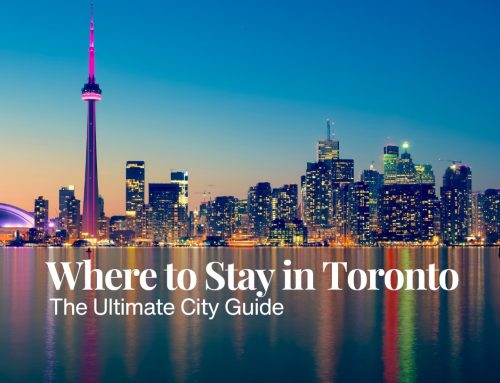
• Coming to Toronto? The Ultimate Toronto City Guide on Where to Stay
• Limited time? Check out the best of Toronto in 5 Days
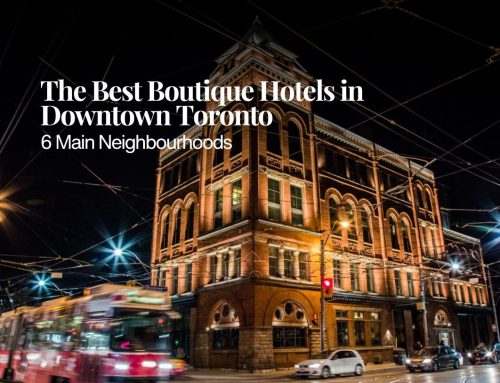
• Love smaller hotels? The Best Boutique Hotels in Toronto Downtown: 6 Main Neighbourhoods Guide
• Toronto Harbourfront guide: Discover the 10 Best Stays & Things to Do Along Toronto’s Waterfront
• Staying for TIFF? Check out the Best Hotel Stays and Eateries Nearby
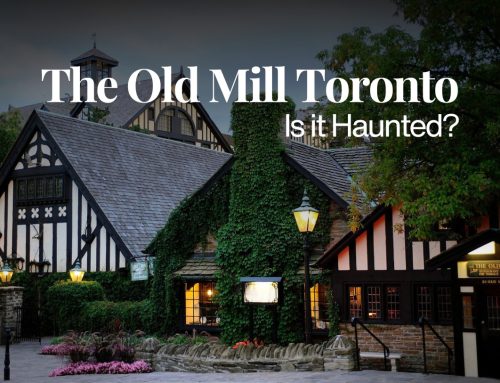
• Is the Old Mill haunted? Here’s What the Security Guard Told Me When I Went for an Event
Toronto Experiences
• New to the Toronto and need something to do? Check out these Toronto City Attractions
• Love all things and anything spooky? Check out my Toronto Haunts Curated Experiences
Toronto Film Festival Hotels: The Complete Guide to Staying, Eating, and Spotting Stars
Every September, downtown Toronto turns into something close to a movie in itself. Red carpets unroll along King Street, camera crews line up outside theatres, and the whole city seems to be holding its breath waiting for a glimpse of someone famous.
This is the Toronto International Film Festival, known simply as TIFF, and it is one of the biggest events on the global film calendar. If you are thinking about visiting, choosing the right place to stay can make or break your experience. Below is a full rundown of where to sleep, eat, and wander if you want to feel like part of the action.
Best Hotels to Stay at for TIFF (Toronto International Film Festival)
Booking early is essential. Rooms in these properties sell out months ahead of the festival, and prices climb steadily as September approaches. And despite what one might think, location matters enormously during TIFF, since most of the action happens in a tight radius around King Street West and the Entertainment District. Here is my list of standout options.
My logo X marks the spot for Tiff Lightbox and all the featured hotels and restaurants are marked with a gray building icon or food icon.
The Ritz Carlton Toronto
The Ritz Carlton sits directly across from the TIFF Bell Lightbox and is one of the most popular hotels among industry insiders and talent during the festival. Its lobby and restaurant often see plenty of famous faces during the eleven day run.
Shangri La Toronto
Located on University Avenue is another favourite among visiting stars, known for its Bosk restaurant and quiet luxury feel just a short walk from festival venues.
The Hazelton Hotel
Situated in Yorkville, The Hazelton Hotel is a longtime TIFF staple, historically one of the most star studded properties in the city thanks to its proximity to Yorkville’s boutique shops and restaurants.
Bisha Hotel Toronto
Right on Blue Jays Way is right in the heart of the Entertainment District, close to Scotiabank Theatre, and has become known for its rooftop bar and lively festival atmosphere.
Fairmont Royal York
The grand dame of Toronto hotels near Union Station, offers classic elegance and easy access to King Street via a short walk or streetcar ride.
InterContinental Toronto Centre
Connects directly to the Metro Toronto Convention Centre, which is especially useful this year with TIFF: The Market taking place there.
Hyatt Regency Toronto
Located on King Street West puts you within a few minutes’ walk of the Lightbox, Scotiabank Theatre, and most festival parties.
Nearby Eateries Worth Building Your Trip Around
Beyond the star sightings, the Entertainment District has plenty to offer on its own.
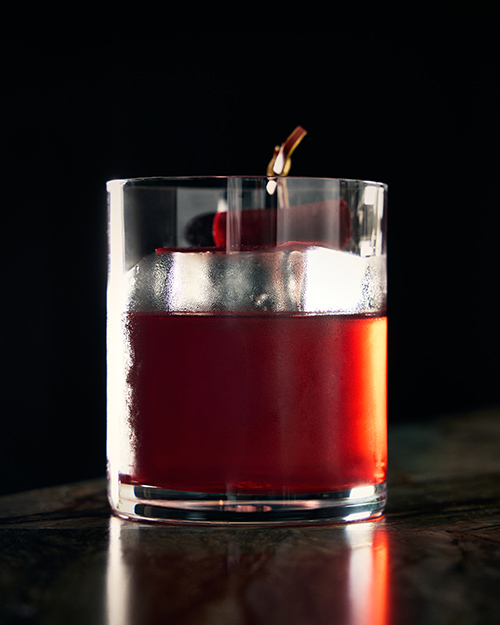
Meet the “Red Carpet”, Nobu Toronto’s festival-inspired signature cocktail. Roku Gin infused with hojicha tea is blended with Pierre Ferrand Dry Curaçao, cherry and lime, then milkclarified for an exceptionally smooth finish. Served over a king cube and garnished with berry fruit leather resembling a miniature red carpet.
Just one block south of TIFF Bell Lightbox, Nobu Hotel & Restaurant Toronto is in the heart of the action. Each year, the property becomes a festival-season hotspot, hosting major film studio buyouts, intimate cast dinners and star-studded premiere parties—all just steps from the action. Past film festival celebrity sightings at Nobu Toronto include: Selena Gomez, Zoe Saldaña, Kiernan Shipka, Anderson .Paak, Jacob Elordi, Pharrell Williams and Martha Stewart. @nobutoronto
Other notable eateries include: Patria brings lively Spanish tapas and sangria just steps from the Lightbox. Buca serves refined Italian fare in a striking underground space nearby. For something more casual, La Carnita offers approachable Mexican food with a fun atmosphere, while Terroni on Adelaide is a reliable choice for wood fired pizza. If you want a quieter breakfast before a morning screening, Sud Forno sits within easy walking distance of the major venues.
Why the Hype? What is TIFF?
TIFF began in 1976 as the Festival of Festivals, a modest gathering built on the idea of showing Toronto audiences the best films from festivals around the world. Over the decades it grew into one of the most influential film festivals on the planet, second in many people’s minds only to Cannes. What sets TIFF apart is its audience driven format.
Unlike many festivals that lean heavily on juries and critics, TIFF hands real voting power to everyday moviegoers through its People’s Choice Award. That award has become something of an Oscar crystal ball. Films like The King’s Speech, 12 Years a Slave, Green Book, and Nomadland all won the People’s Choice Award at TIFF before going on to win Best Picture at the Academy Awards.
That track record is a big part of the hype. Studios and distributors treat a TIFF premiere as the unofficial launch of awards season, so the festival attracts an enormous concentration of talent, buzz, and media coverage packed into eleven days each fall.

Why Toronto
Toronto makes sense as a festival hub for a few reasons. It is a walkable, compact downtown core with theatres, hotels, and restaurants all within a short distance of each other. It has a long standing film production industry of its own, often nicknamed Hollywood North, so the infrastructure and talent pool were already there.
And Toronto’s multicultural population gives the festival an audience that genuinely reflects global cinema rather than one narrow taste. Add in a reputation as a safe, clean, and friendly city, and it is easy to see why actors, directors, and industry insiders keep coming back year after year.
TIFF 2026: What to Know
The 2026 edition marks the festival’s 51st year and runs from September 10 to September 20, 2026. This year introduces the formal launch of TIFF: The Market, a new industry marketplace running September 10 to 16 at the Metro Toronto Convention Centre, built on the earlier Industry Selects program.
The public festival will still centre around the TIFF Lightbox and Scotiabank Theatre. Ticket packages for members went on sale in June, with Visa cardholder presale access opening in mid June, and general public tickets typically released in late August through Ticketmaster. Expect roughly 200 feature films and well over 100 short films across the eleven day run, with attendance regularly topping 500,000 people once you count public, press, and industry visitors.

Recent Movies That Made Headlines at TIFF
The last three festivals give a good sense of what to expect walking into 2026. In 2023, Cord Jefferson’s American Fiction took home the People’s Choice Award and later earned Jefferson a Best Adapted Screenplay Oscar. In 2024, Mike Flanagan’s The Life of Chuck, starring Tom Hiddleston, won the top audience prize, with Sean Baker’s Anora and Jacques Audiard’s Emilia Perez as runners up.
That same year, Coralie Fargeat’s body horror hit The Substance, starring Demi Moore and Margaret Qualley, became the talk of the festival as the Midnight Madness favourite. In 2025, marking the festival’s 50th anniversary, Chloe Zhao’s Hamnet claimed the People’s Choice Award, while Colin Hanks’ documentary John Candy: I Like Me opened the festival to an emotional Toronto crowd, given Candy’s own roots in the city.
Well Known Films From TIFF History
Beyond the recent slate, TIFF has a long list of premieres that became cultural touchstones. Slumdog Millionaire launched from TIFF in 2008 before sweeping the Oscars. La La Land had audiences buzzing in 2016 before its award season run. The Fabelmans, Steven Spielberg’s semi autobiographical drama, won the People’s Choice Award in 2022. Silver Linings Playbook, Room, and Three Billboards Outside Ebbing, Missouri all had their moment on Toronto’s stages as well. For film fans, walking past the Lightbox during the festival is a bit like walking through a highlight reel of the last two decades of cinema.
Breakout Roles Born at TIFF
TIFF has a reputation for helping launch careers, not just showcase established stars. Performances that premiered here have a habit of turning into career defining moments once award season attention lands on them. It is part of why casting directors, agents, and journalists treat the festival as a discovery ground as much as a celebration of finished work, and why so many now familiar names first drew serious attention on a Toronto stage before the rest of the world caught on.
Where the Venues and Locations Are
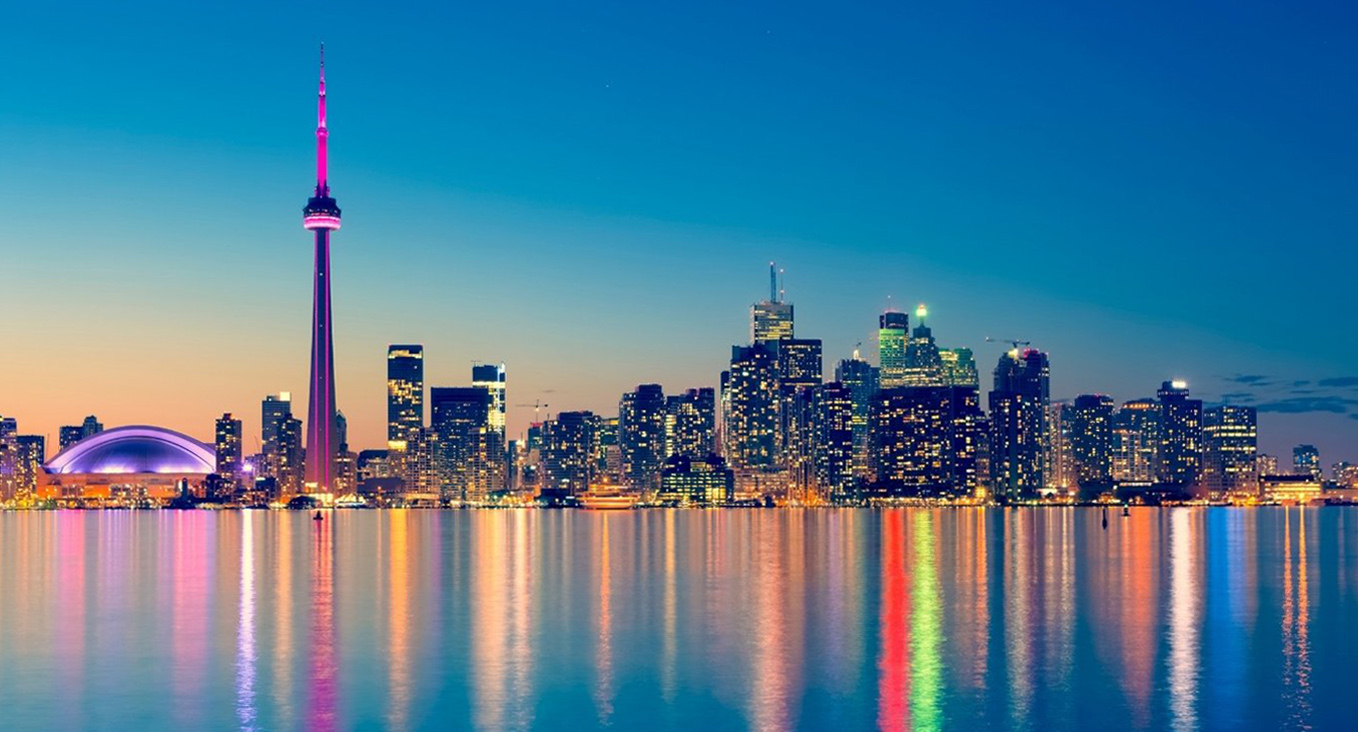
The bulk of TIFF screenings happen at the TIFF Bell Lightbox on King Street West, along with the Scotiabank Theatre a few blocks away on John Street. Roy Thomson Hall hosts larger galas and premieres. The new Market programming for 2026 takes place at the Metro Toronto Convention Centre on Front Street. All of these sit within about a fifteen minute walk of one another, which is exactly why hotels along King Street West and the surrounding Entertainment District are so sought after during the festival.
Best Spots for Celebrity Sightings
If spotting a familiar face is part of your festival plan, King Street West between Spadina and York is ground zero. The sidewalks outside the Lightbox and Bisha Hotel are reliable spots to catch stars heading to or from screenings. Hotel lobbies at the Ritz Carlton, Shangri La, and Hazelton tend to draw industry crowds during off hours. Restaurants like Patria, Buca, and Kost are known for hosting after parties and private dinners tied to premieres, and standing outside these spots in the evening during the festival is a time honoured tradition for dedicated fans.
Final Thoughts
TIFF is as much about the city around it as it is about the films themselves. Choosing a hotel close to King Street West puts you within walking distance of nearly everything that matters during the festival, from screenings and galas to the restaurants where the real conversations happen after the credits roll. Book early, plan your route between venues, and keep an eye on those hotel lobbies. You never know who might be checking in next to you.
FAQ
Yes! Everything is walkable but to get from east to west, you will most likely need to take the transit system.
Toronto Transit System (TTC) for the subway, buses, or streetcars. The subway runs north-south on Line 1 (Yonge-University) and east-west on Line 2 (Bloor-Danforth). Most of what you’ll want to reach is on or near Line 1. The streetcars are where Toronto gets its personality. The King (501) and Queen streetcars run east-west through the heart of downtown and are the most useful routes for visitors. Get a Presto card at any subway station. It’s Toronto’s version of an Oyster card. Tap on, tap off, free transfers within two hours.
I don’t recommend driving anywhere by car downtown because it will require patience and a wallet. Parking is around ($30-$50) and you will 10000% encounter lots of traffic. Making a slight wrong turn that should be remedied by a U-turn can cost you a 45 min detour 🙋🏻♀️. The majority of the small arteries downtown are only one way streets and one lane.
Just take the transit system, Uber or walk, unless you are taking a trip to any of the suburbs.
Rental bikes are through Bike Share Toronto.
Peak season (June – September): Hotels run 20–40% higher. Book 6 – 8 weeks out minimum. Pride Weekend in late June is the single busiest hotel weekend of the year – if that’s your trip, book 3–4 months out and expect prices to spike hard.
Shoulder season (April – May and October): My honest recommendation for most visitors. Genuinely pleasant weather, 15–25% cheaper hotels, thinner crowds. October in Toronto with the fall colour in High Park is one of the best things about living here.
Winter (November – March): Underrated and underpriced, and I will argue this until I’m gone. Hotel rates drop 25–40% off peak. The Distillery Christmas Market is genuinely world-class. Skating at Nathan Phillips Square is free and ridiculously fun. And the restaurant scene – arguably Toronto’s greatest strength, does not slow down one bit.
Toronto has strict short-term rental rules (I know, I use to be one a landlord), hosts must register with the city and can only rent their primary residence. In practice this limits supply significantly. You’ll find fewer options, higher prices relative to hotels, and more uncertainty than you’d expect for a city this size.
For most visitors, a hotel booked through a major platform gives you better price certainty and real consumer protection. The hotel options in Toronto’s core neighbourhoods are good enough that Airbnb rarely wins on value here anyway.
King West. It’s central, atmospheric, walkable, and gives you an honest sense of what this city has become. The CN Tower area works if you’re prioritizing convenience over character.
Relative to comparable North American cities it’s reasonable. Mid-range hotels in central neighbourhoods run $180–$250/night. Budget options exist from $110. Luxury starts around $300 and climbs from there. Shoulder season (May and October) is where the value is.
3-5 nights covers the highlights. 5-7 nights lets you explore properly, including a day trip to Niagara Falls (90 minutes, worth every minute of the drive). 10 days and you start feeling like a local, which after 46 years here I can confirm is a good feeling.
Yes. It’s one of the safest major cities in North America. But as with anywhere you go, be aware of your surroundings. Standard urban awareness applies.
For summer, yes! Especially weekends. For Pride Weekend, absolutely and immediately. For shoulder season and winter you have more flexibility, though the best-value boutique hotel rooms still fill up. 2-4 weeks out is usually fine outside of peak season.
Things to do in Toronto!

RECENT POSTS























Hey, I’m Marina! Your Canadian travel points enthusiast with a love for elevated stays who also happens to have serious obsession with cruising. I share real-world tips, strategies, and lessons from my own travels to help you unlock luxury experiences without the luxury price tag.
Love What I Wrote? Please Share! ♥