How to Travel Free with Points
Showing you the best places to wander and how to choose the best travel rewards credit cards that turn everyday spending into free flights, hotel stays, and upgrades.
Best Seasickness Medication: A Complete Guide for Cruisers

THE GEN X WANDERER / Best Seasickness Medication: A Complete Guide for Cruisers
TABLE OF CONTENTS
Best Seasickness Medication: A Complete Guide for Cruisers
If you have ever cancelled a cruise booking, or talked yourself out of one entirely, because you were worried about getting sick on the water, you are far from alone.
Fear of seasickness is one of the top reasons people avoid booking a cruise in the first place, even when everything else about the trip sounds appealing. The good news is that with the right seasickness medication and a bit of planning, most people can enjoy a cruise without spending it curled up in their cabin.
This guide walks through why seasickness happens, the best seasickness medication options available, how cruise destinations and timing can affect your chances of rough seas, and where to find a cabin that gives you the smoothest ride possible.
I always travel motion sickness / seasickness medication as a backup and below you will find my list of go to products.
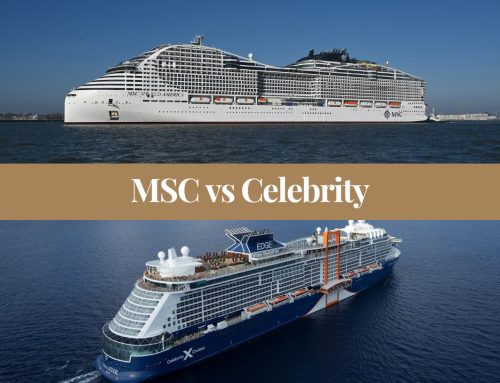
>> New to cruising? If you are still deciding between cruise lines, here is how MSC and Celebrity compare.
Why Do We Get Seasick in the First Place?
Seasickness comes down to a mismatch of signals in your body. Your inner ear senses motion as the ship rocks and sways, but your eyes may be looking at a stationary cabin wall or a book in your lap. Your brain receives two conflicting messages at once, one saying you are moving and another saying you are still, and that confusion is what triggers the nausea, dizziness and cold sweats associated with motion sickness.
Some people are simply more prone to this than others. Children between the ages of 2 – 12 tend to be more susceptible, as are people who already experience migraines or inner ear issues. Anxiety can also play a role, since worrying about getting sick can sometimes make symptoms worse. The condition is not a sign of weakness or poor health, it is just how your particular vestibular system and nervous system responds to unfamiliar motion and triggers.
Understanding the cause is helpful because it explains why so many remedies focus on calming that inner ear and brain miscommunication rather than just settling an upset stomach.
The Best Seasickness Medication Options
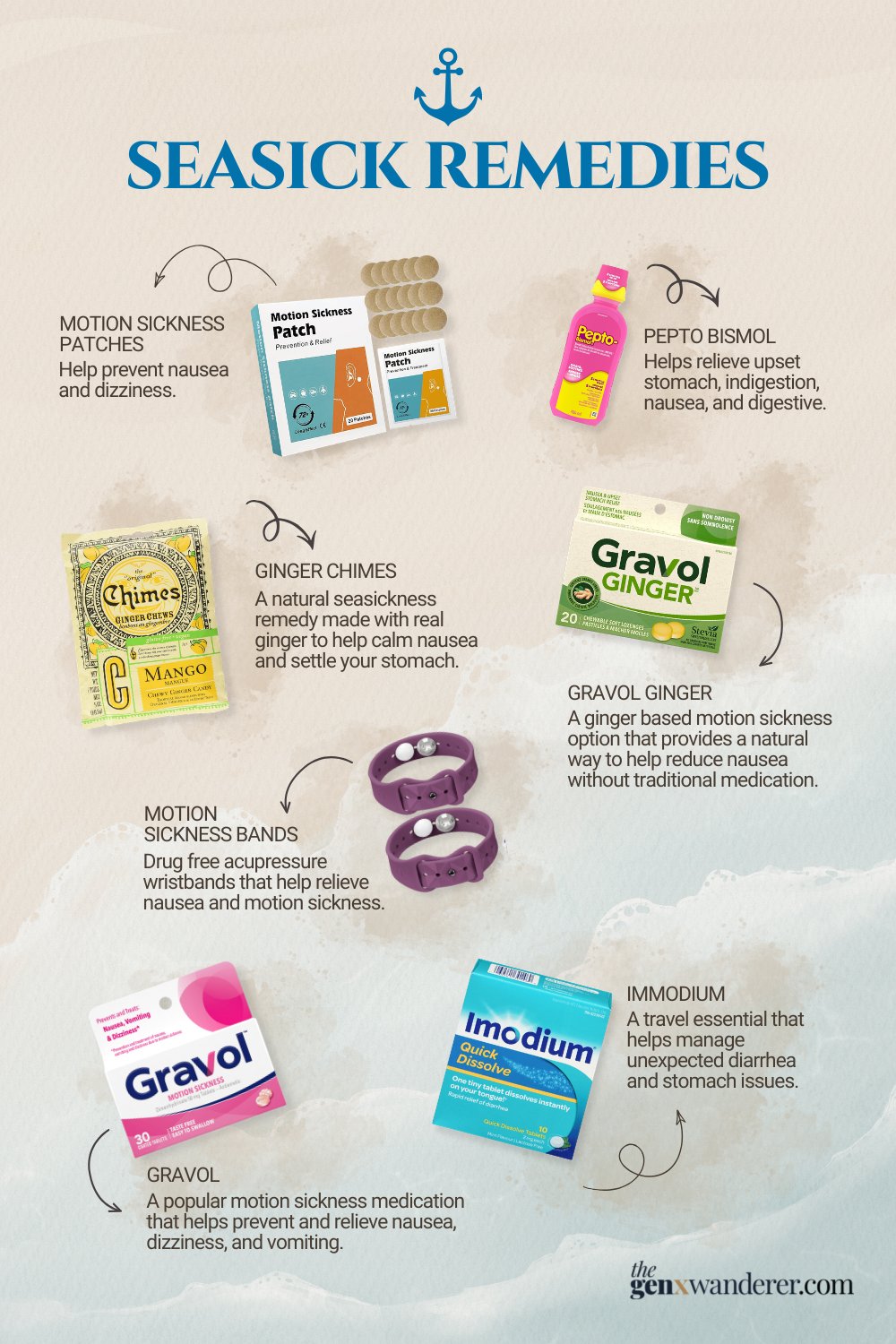
There is no single product that works for everyone, so it often comes down to trying a couple of options to see what suits your body best. This list is what I carry with me on every cruise. Having cruised a multitude of times, here is a breakdown of the most trusted choices I personally reach for.

Gravol
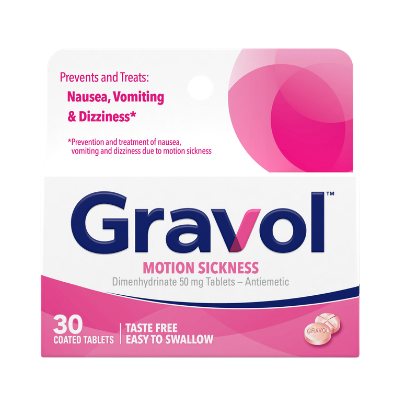 Gravol and Gravol Kids is one of the most recognized names in motion sickness. It contains dimenhydrinate, an antihistamine that works by calming the signals sent between the inner ear and the brain. It is available in regular and chewable tablets, as well as a less drowsy formula for those who want relief without feeling groggy for the rest of the day.
Gravol Ginger
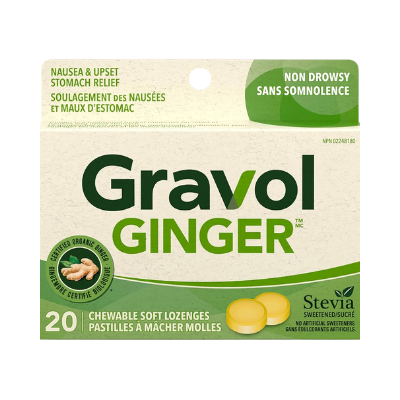 For those who prefer a more natural approach, Gravol Ginger combines the trusted Gravol name with ginger, a root long used to settle upset stomachs. It is a good middle ground for people who want something gentler than the standard antihistamine formula but still want the reliability of a recognized brand.
Ginger Chimes
 Ginger Chimes are a chewable, all natural option made specifically with ginger as the active ingredient. I chew these on a regular day at home if I’m feeling any digestive upset and my favourite flavour is the mango. Many travellers like these because they are easy to pack, easy to take without water, and free of the drowsiness that can come with antihistamine based options. They tend to work best for mild to moderate symptoms rather than severe motion sickness.
Imodium
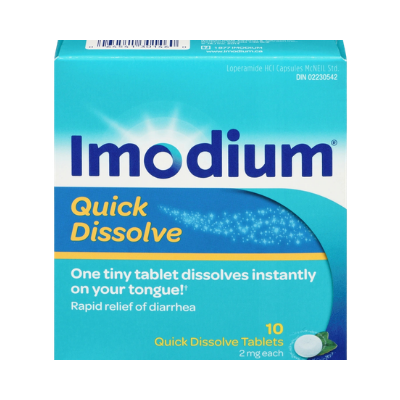 While Imodium is typically thought of as an anti diarrheal, it is a smart addition to any travel kit since seasickness and general stomach upset can sometimes overlap, especially after a day of rich buffet food and unfamiliar cuisine on board. It will not treat the dizziness of motion sickness directly, but it can help manage the digestive side effects that often show up alongside it.
Pepto Bismol
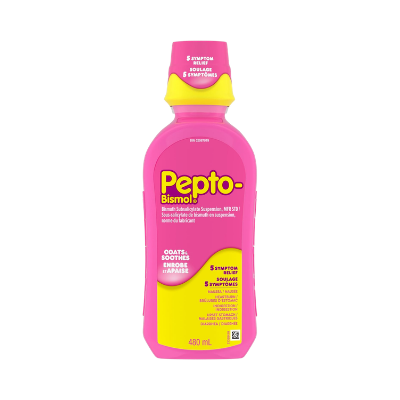 Pepto Bismol is another good companion for your travel bag. It helps calm an upset stomach and can ease nausea, making it a useful backup if your primary seasickness medication is not fully covering your symptoms.
Motion Sickness Patches
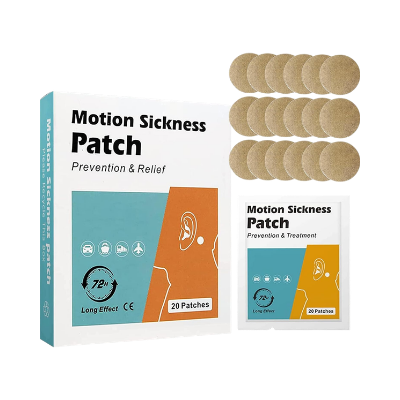 Scopolamine patches, often sold under names like Transderm Scop, are by prescription only in the USA. They are however discontinued in Canada. To use, they are applied behind the ear and deliver a steady low dose of medication over several days. Many cruisers favour patches because you only need to apply one before boarding and can largely forget about it for the length of the trip. Because they require a prescription, it is worth speaking with your doctor or pharmacist ahead of time if you think this option suits you.
A natural version of Motion Sickness Patches, is also available. Just peel off the white plastic backing from the tan, round patch. Apply the adhesive surface to a dry, hair-free area of skin on your navel or behind your earlobe. Use one patch behind each ear. Apply 10 minutes before travel. For severe motion sickness, apply patches behind both ears and on the navel.
Motion Sickness Bands
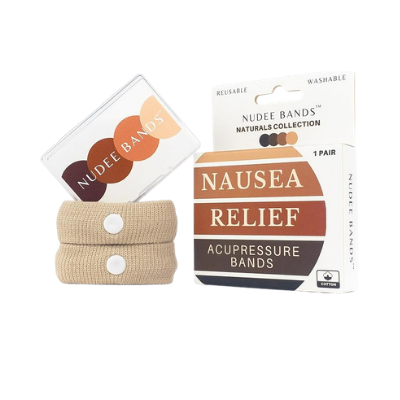 Acupressure bands are worn around the wrist and apply gentle pressure to a specific point (P6) believed to help reduce nausea. They contain no medication at all, which makes them appealing for travellers who are pregnant, sensitive to drugs, or simply want a drug free backup option. Results vary from person to person, but many find them helpful when paired with one of the remedies above.
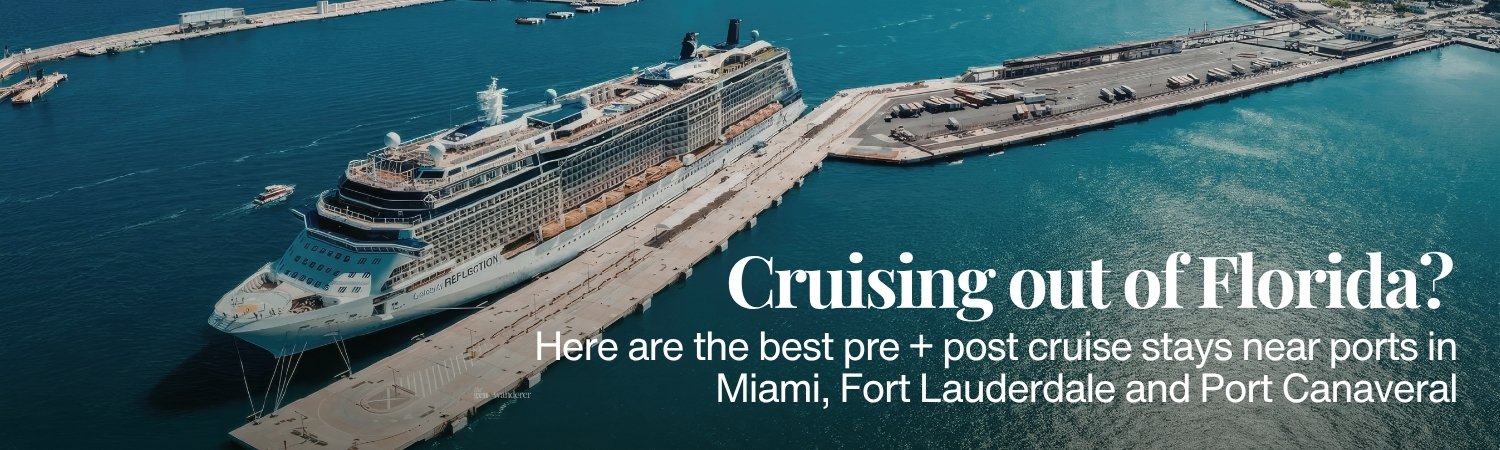
Caribbean vs Mediterranean Cruises: Which Has Calmer Water?
Choosing your destination and route can make a real difference in how much motion you experience on board, separate from any seasickness medication you pack.
Caribbean cruises (see everything I did for 7 days on an Eastern Carribean Itinerary) generally offer calmer, more predictable waters, particularly in the western and southern Caribbean where ships are more sheltered from open ocean swells. The eastern Caribbean, which involves longer stretches of open water, can be a bit choppier depending on the season (although I haven’t experience this thus far, and I have been on both western and eastern multiple times).
Mediterranean cruises can vary more widely. The western Mediterranean tends to be gentler, while routes through the Adriatic or areas exposed to the Mistral winds off southern France can bring noticeably rougher conditions. Late season Mediterranean cruises, particularly into October, are more likely to encounter unsettled weather compared to the height of summer.
Timing Your Cruise to Avoid Rocky Seas
Beyond destination, the time of year you sail matters a great deal. Hurricane season in the Caribbean runs roughly from June through November, with peak activity in August and September, so travellers sensitive to motion may prefer sailing in the winter or spring months instead.
The Mediterranean is generally calmest from late spring through early autumn, with the shoulder months of April, May, September and early October often offering pleasant weather without the peak summer crowds.
Booking earlier or later in a region’s season, rather than during its stormiest stretch, is one of the simplest ways to reduce your odds of a rough crossing before you even think about seasickness medication.
Choosing the Right Cabin Also Helps
Where your cabin is located on the ship plays a bigger role in motion than many first time cruisers realize. Cabins closer to the water line and nearer the centre of the ship experience far less rocking than those on higher decks or toward the bow and stern.
If you want a full breakdown of exactly which cabin locations tend to be smoothest, we have put together a detailed guide covering this topic. Read my full post on Best Cabins for Motion Sickness here for tips on booking the right spot for your next sailing.
Final Thoughts
Seasickness does not have to be the reason you skip out on a cruise. Read my post about Fear of Cruising? 6 of Your Biggest Worries are Probably Wrong if this is you.
Between reliable seasickness medication like Gravol, Gravol Ginger, Ginger Chimes, Imodium and Pepto Bismol, along with drug free options like patches and acupressure bands, most travellers can find a combination that keeps them comfortable throughout their trip. Add in some smart planning around your destination, the time of year you sail, and where your cabin is located, and there is no reason fear of motion sickness should keep you from booking the cruise you have been dreaming about.
Heck I’m the poster child for all of this and I’ve managed to get more than several cruises under my belt!

RECENT POSTS






















Hey, I’m Marina! Your Canadian travel points enthusiast with a love for elevated stays who also happens to have serious obsession with cruising. I share real-world tips, strategies, and lessons from my own travels to help you unlock luxury experiences without the luxury price tag.
Love What I Wrote? Please Share! ♥